● Idle desk catalogue10 indexed linesGBP pricingOrder-request checkout

West Yorkshire Woodwind / rehearsal-case archive

Open the case. Set the rehearsal order.

Compare saxophone reed strengths, clarinet case profiles and the storage details that keep a practice bag organised. The catalogue begins with the exact instrument context, then records pack count, strength, fit and carrying format before the basket reaches the desk.
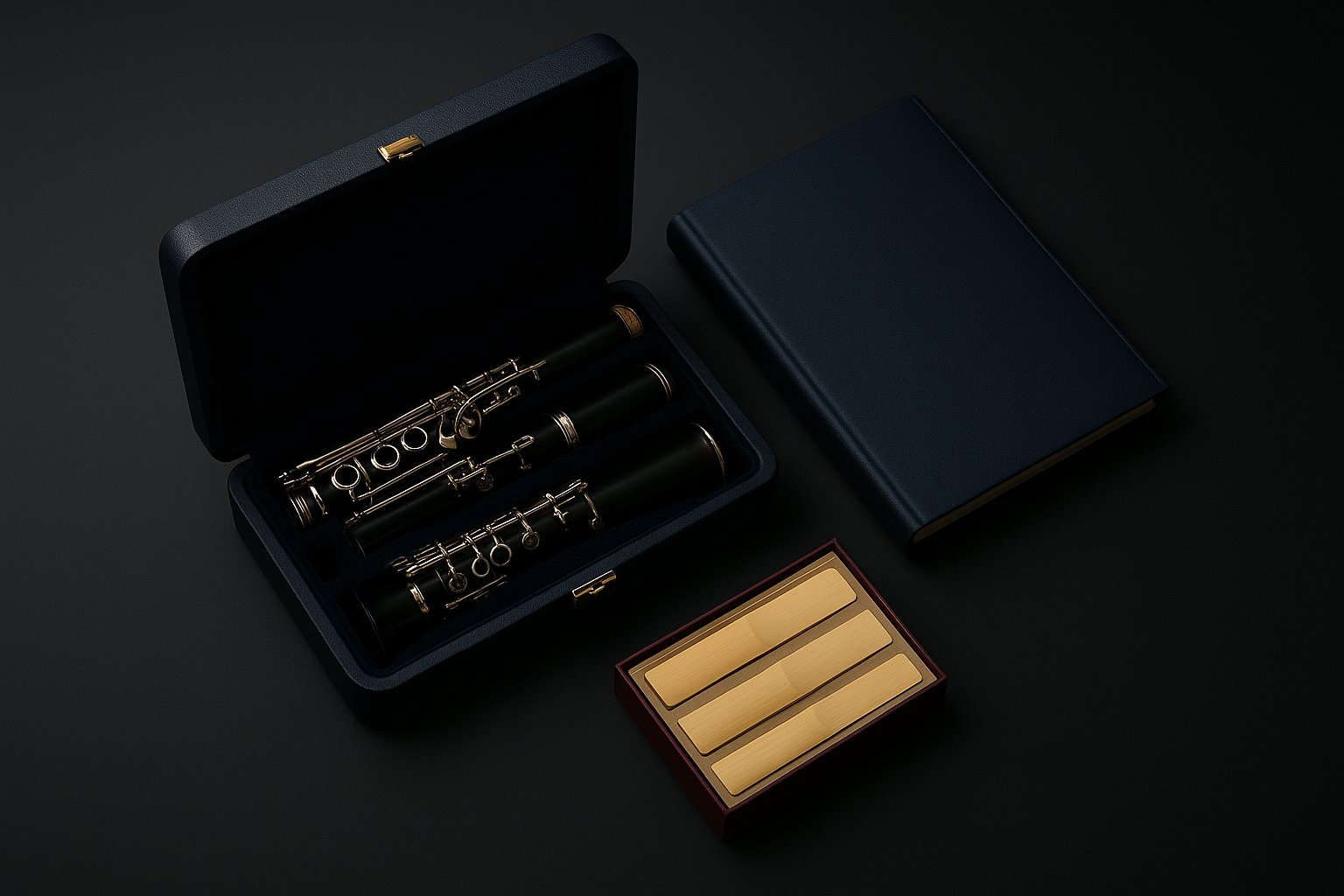
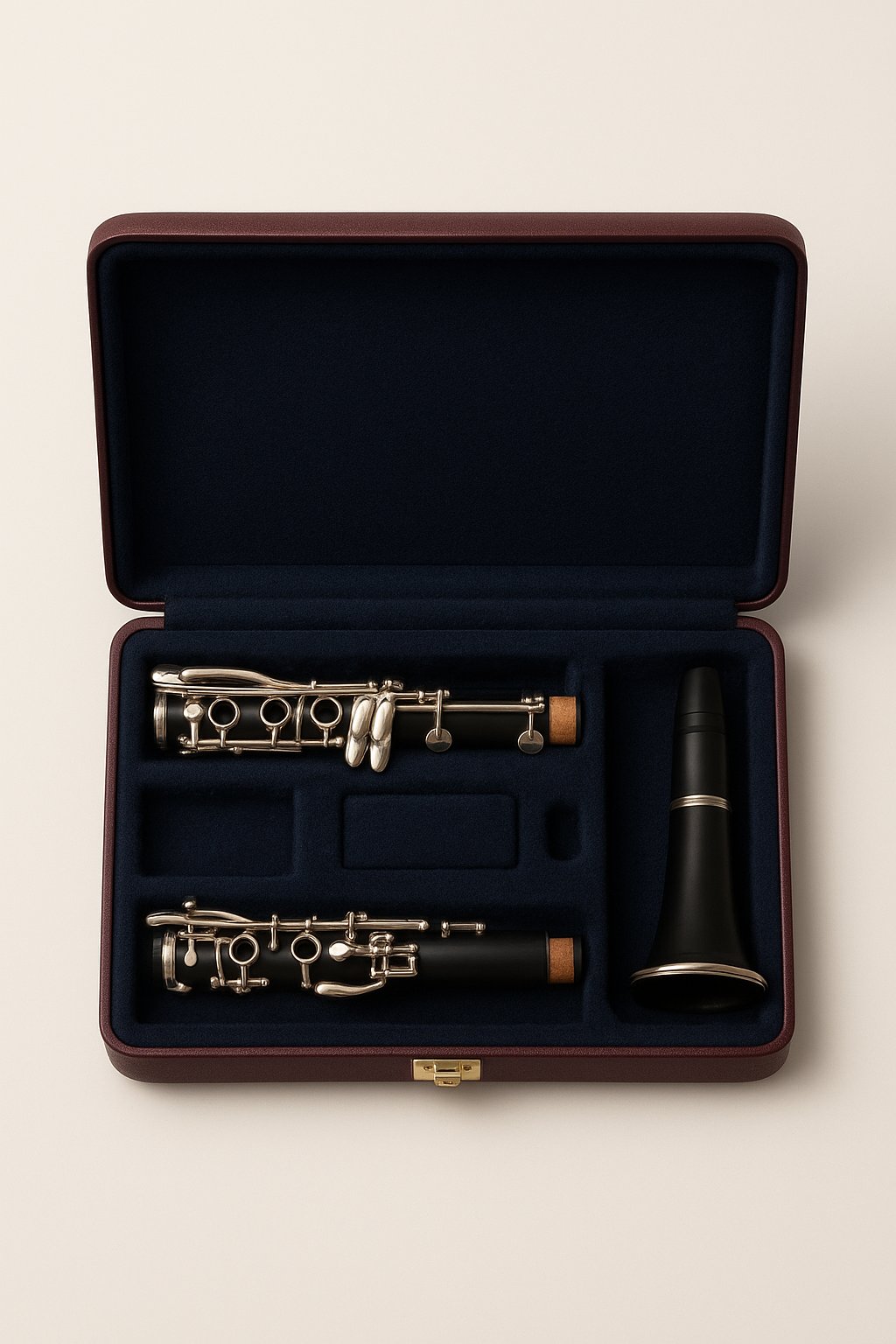
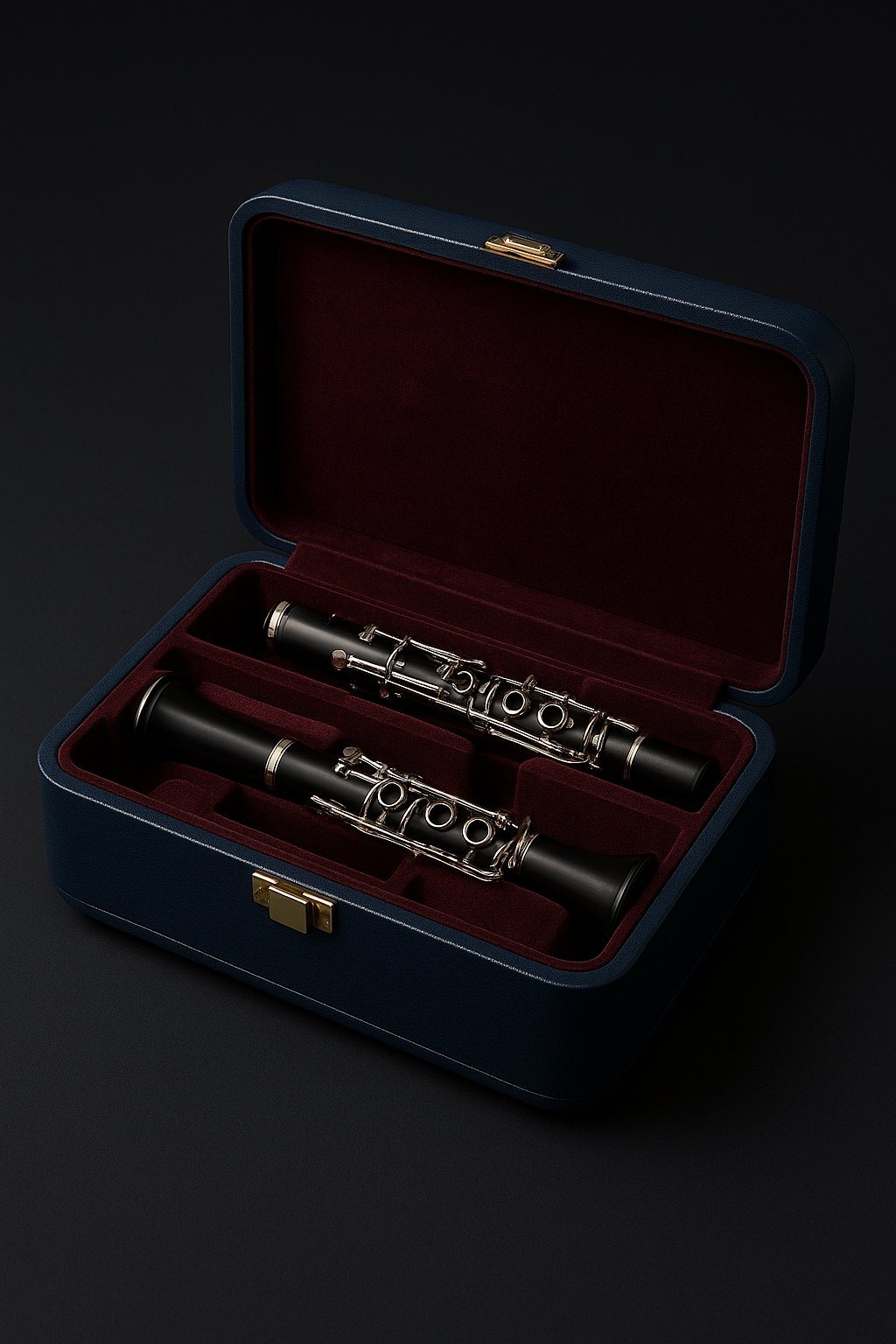
Open clarinet case beside boxed saxophone reeds and a music folder
Current bench viewInstrument protection + reed rotationOpen Care & Fit

Case-profile gallery / rehearsal-bag picks

Compare carrying silhouettes and working reed boxes

These formats move from compact reed rotation to single- and double-instrument case organisation. Each catalogue card remains a real buying line; fit notes and desk guidance stay outside the buying tray.

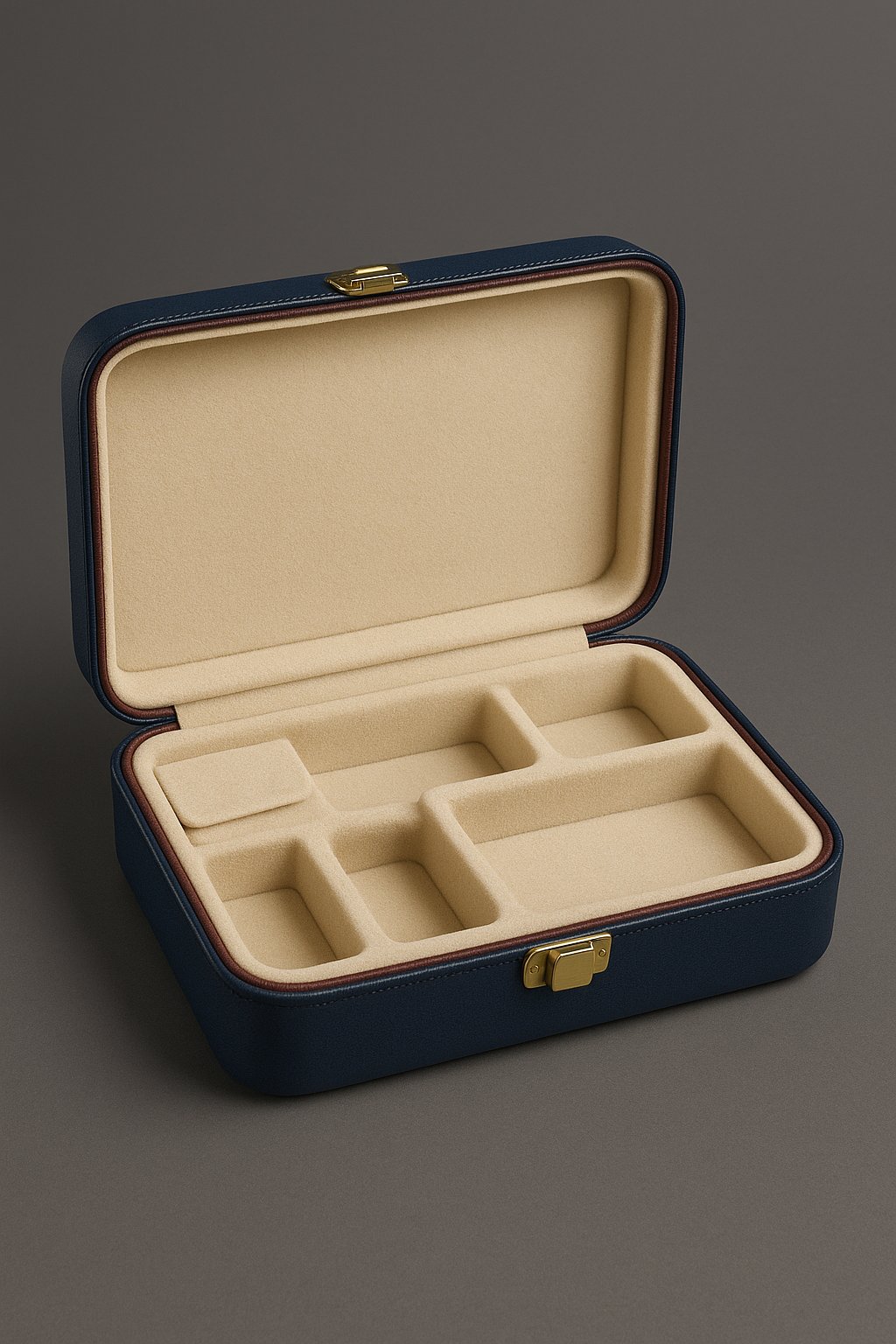
B-flat Clarinet Compact Case
WYW-CS-201 · single B-flat

B-flat Clarinet Compact Case

A compact shaped case for one B-flat clarinet, with separate space for small everyday accessories.

£49.00

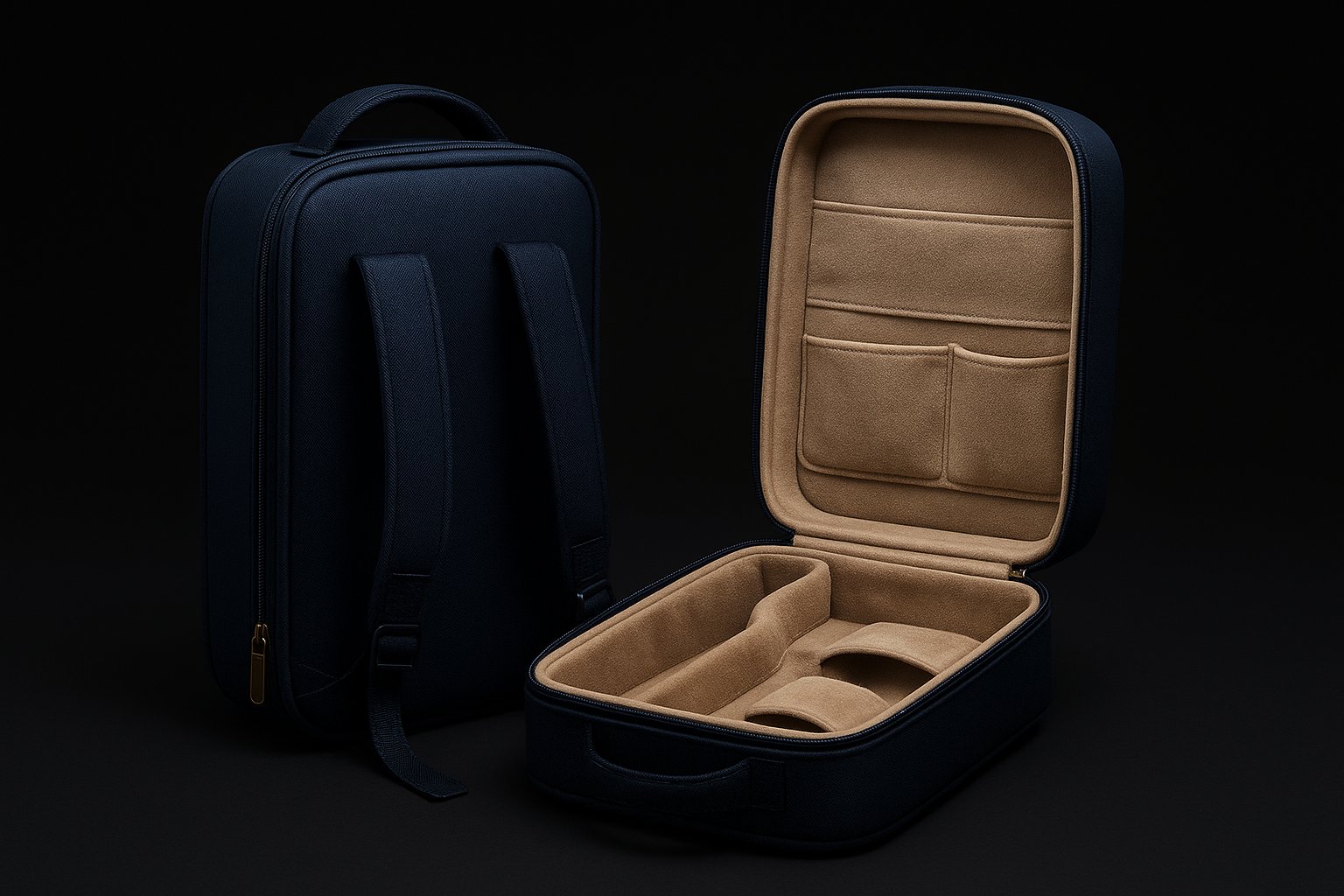
B-flat Clarinet Backpack Case
WYW-CS-202 · backpack

B-flat Clarinet Backpack Case

A backpack-format case with a fitted B-flat clarinet area and organised everyday carrying spaces.

£69.00

B-flat Clarinet Double Case
WYW-CS-203 · two instruments

B-flat Clarinet Double Case

A two-instrument case for compatible disassembled B-flat clarinets and shared accessories.

£109.00

A and B-flat Clarinet Double Case
WYW-CS-204 · A + B-flat

A and B-flat Clarinet Double Case

A double-case layout for compatible A and B-flat clarinets, with shared accessory organisation.

£129.00

Browse all 10 catalogue lines →
Instrument pathway index

Start with the instrument, then narrow the storage decision

Every useful shortlist begins with an exact instrument context. Reed choices move from saxophone family to strength and pack count, while case choices move from clarinet type to fitted layout, carrying position and compartment needs.

A1Alto or soprano saxophoneConfirm the instrument label before strength

The reed family must match first; only then compare the strength printed on the reed you already use or guidance you have been given.

A2Tenor or baritone saxophoneCheck family, strength and rotation count

Larger reed formats remain instrument-specific, and a five-pack can support a compact numbered rotation without implying a playing result.

B1One B-flat clarinetCompare compact and backpack profiles

Choose between a smaller hand-carried case and a backpack arrangement after checking the instrument layout and accessory load.

B2Two compatible clarinetsMap both fitted spaces independently

A double case needs a separate compatibility check for each instrument rather than an assumption based on the outside shape alone.

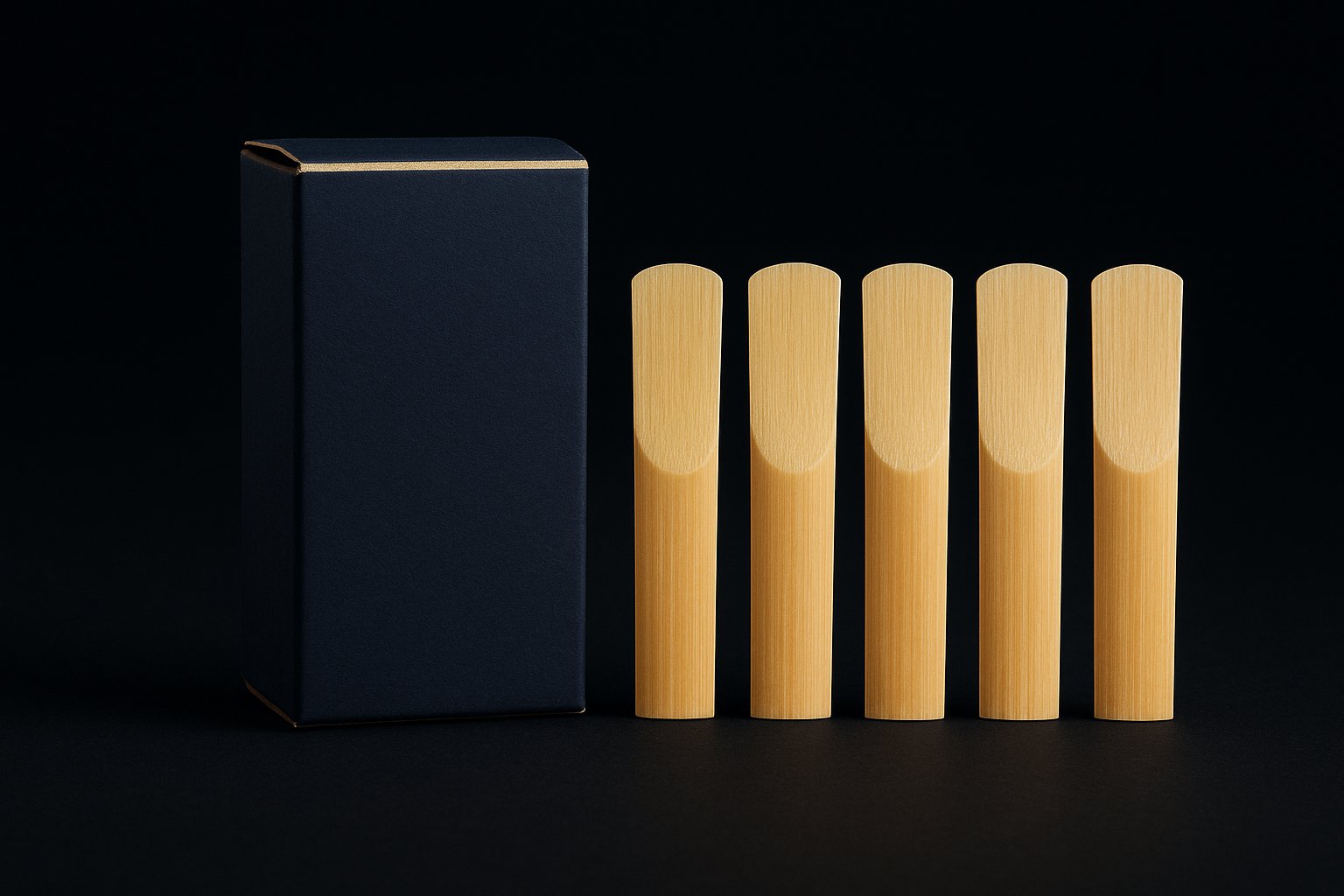
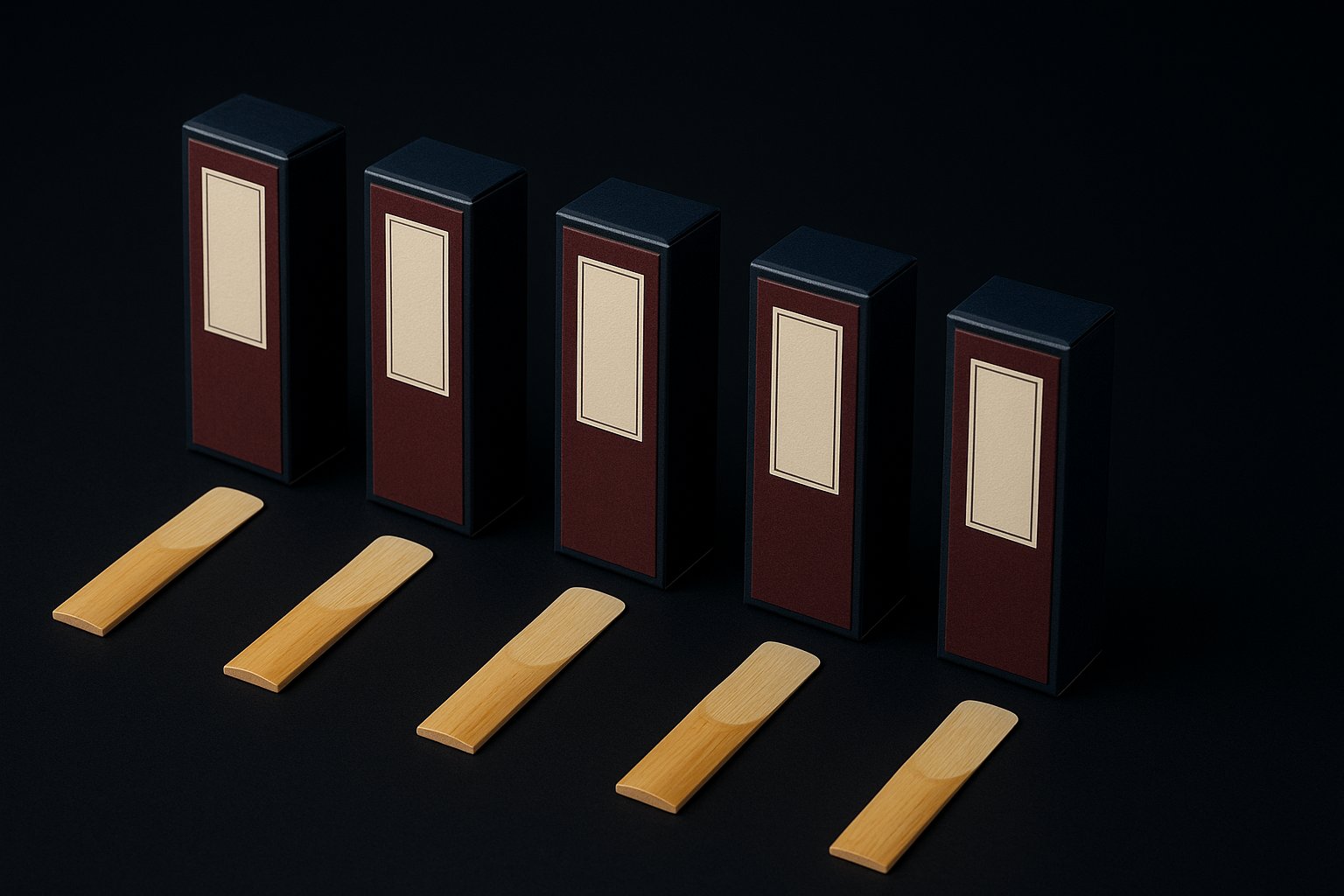
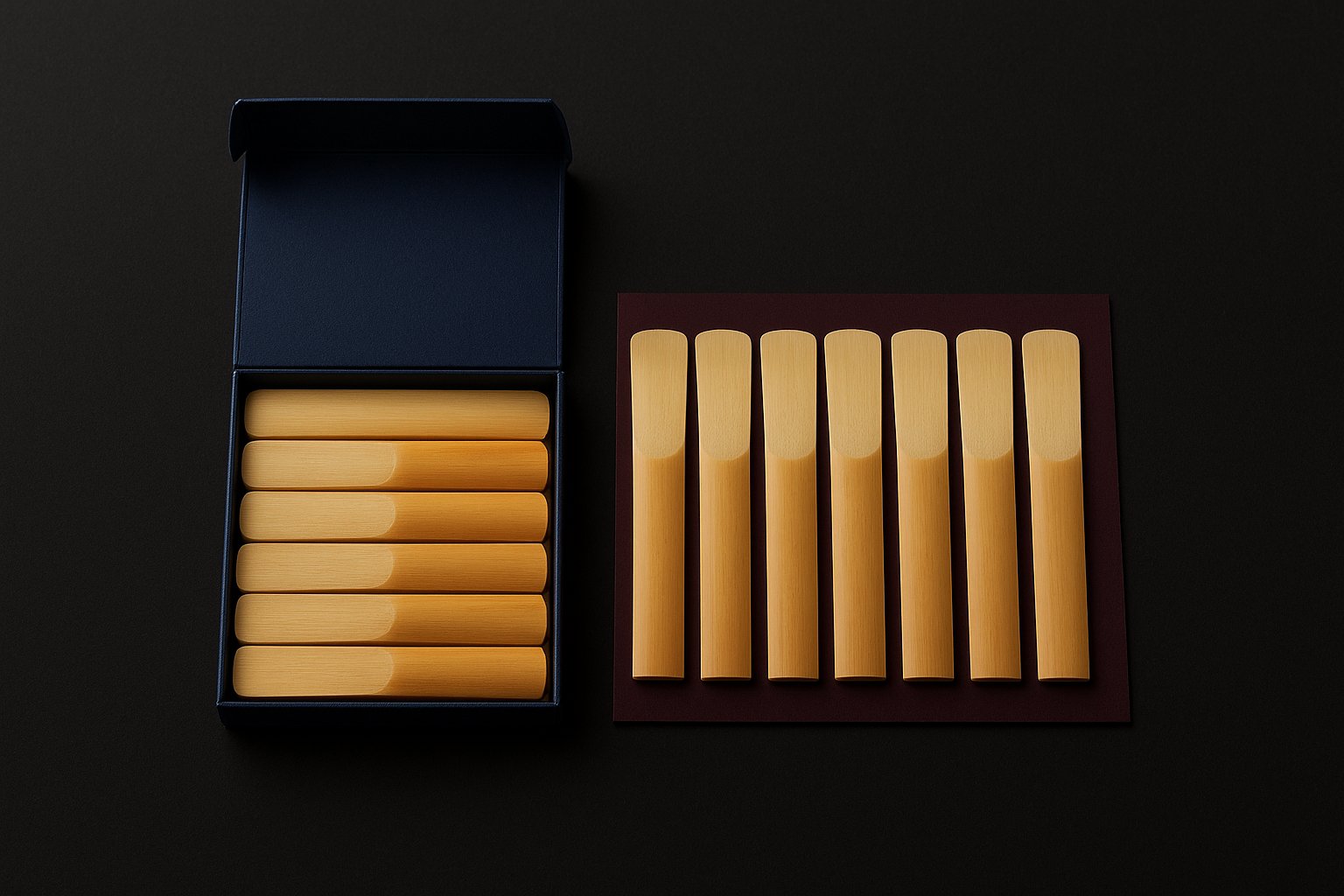
A labelled line-up of saxophone reed boxes
Practice-bag editorial / access map

Give the frequently used pieces a fixed place

A useful rehearsal bag is arranged by access rather than filled in any available gap. Keep the clarinet or saxophone setup protected, place current reeds or mouthpiece items in their own storage, and reserve outer pockets for the small objects needed between pieces.

  • Keep instrument spaces free from loose objects
  • Separate current reeds from unused stock
  • Put pencils and small accessories in assigned pockets
  • Carry scores or stands separately when the case is full
Explore clarinet cases

Reed care and rotation notes

A simple sequence from fresh box to organised storage

Reed care should follow the information supplied with the product and the advice appropriate to your setup. These practical habits focus on identification, rotation and storage rather than unsupported claims about musical performance.

  1. 01

    Confirm family and strength

    Match the reed to soprano, alto, tenor or baritone saxophone, then choose the intended printed strength before adding it to the basket.

  2. 02

    Number the working set

    After opening, a small pencil mark or consistent numbering method can help distinguish the reeds currently moving through your rotation.

  3. 03

    Alternate between sessions

    Move through the labelled working set instead of automatically selecting the same piece whenever you open the case.

  4. 04

    Dry and store as directed

    Follow the supplied care guidance, keep opened reeds suitably supported and avoid closing damp pieces into unsuitable storage.

Ordering and UK delivery cadence

The basket records the specification before payment details are arranged

From archive slip to order

The storefront uses an order-request checkout so instrument details, reed strength, case format and delivery information can be checked together before payment instructions are provided.

01 / Choice captured

Instrument family, reed strength, product format and quantity stay attached to the basket so the requested specification is clear.

02 / Availability checked

WEST YORKSHIRE WOODWIND LTD checks the submitted request and clarifies an obvious fit or selection question before confirming the order.

03 / GBP order details

Prices are shown in pounds sterling, and payment instructions are provided only after the request and delivery details have been checked.

04 / UK delivery arranged

Domestic delivery options and applicable timing are confirmed for the supplied UK address without an unsupported fixed dispatch promise.

How a reed or case request moves through the deskBuild a basket with the specification visible, send the basket, then receive checked availability, delivery and payment information.Open How It Works →

Basket

Ready to check out

0 items in cart

Subtotal £0.00
Review quantities before sending your request
We confirm availability, delivery, and payment details after review
Checkout

Your cart is saved in this browser until you clear it. Need help now? Contact us on +447803 725291.