View product
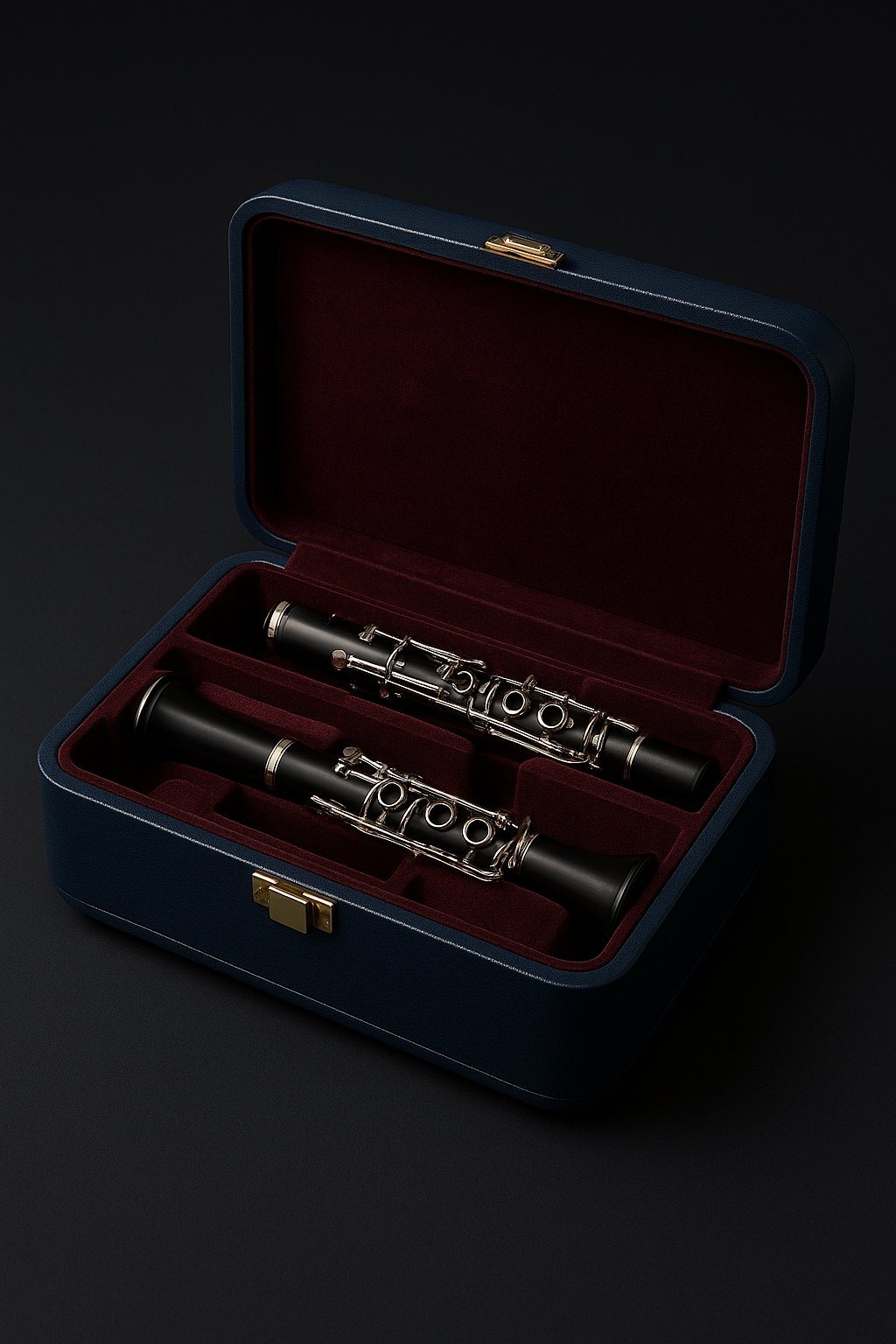
A and B-flat Clarinet Double Case
A double-case layout for one compatible A clarinet and one compatible B-flat clarinet, with shared accessory organisation.
View productRehearsal checklist
Use this guide to organise the questions around a reed box or clarinet case purchase, while following product instructions and qualified instrument guidance where your setup needs it.
West Yorkshire Woodwind
Practical guidance connected directly to the live catalogue and support flow.
View product
A double-case layout for one compatible A clarinet and one compatible B-flat clarinet, with shared accessory organisation.
View product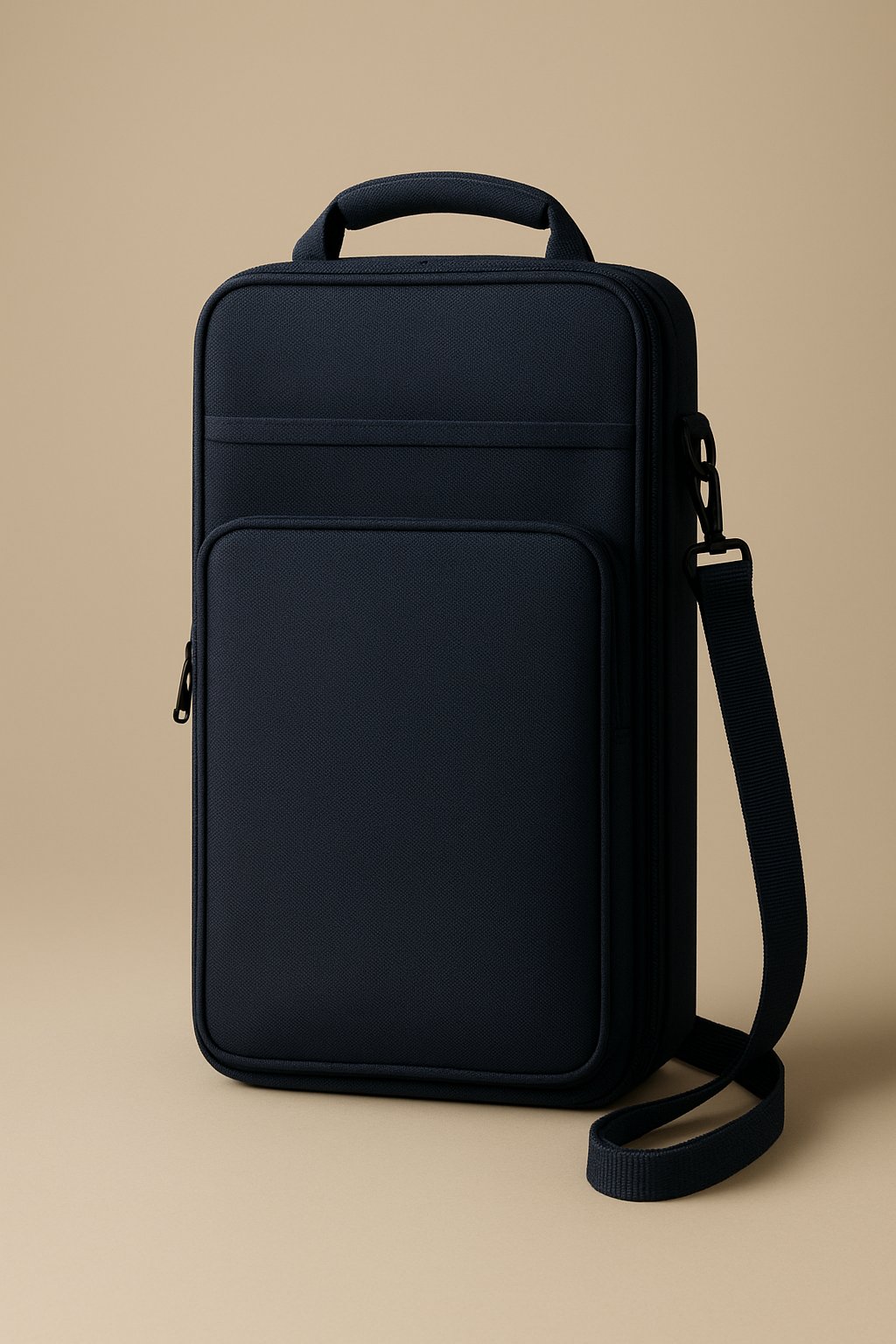
View product
A soft carrying bag for one compatible clarinet case or protected instrument setup, with external rehearsal-item organisation.
View productReed selection begins with the correct saxophone family and an explicitly chosen strength. Care begins after opening, when identification, drying, rotation and suitable storage help keep the working set organised without making claims about tone, response or longevity.
Clarinet case selection starts with the instrument arrangement and the shape of every section that must fit. Carrying organisation follows after that, using accessory spaces without crowding the fitted area or forcing closures around oversized contents.
Product-specific instructions take priority over general guidance on this page. If a fitting, unusual section or established playing setup changes the normal decision, seek suitable instrument-specific advice before ordering.
A basic indexing method can make the open box easier to manage across repeated sessions.
Keep soprano, alto, tenor and baritone reeds clearly separated so similarly stored boxes cannot be confused.
Retain the printed strength information and avoid treating the number as a universal measure of playing quality.
Assign a simple number to each opened reed so the working order remains visible from one session to the next.
Keep unused stock distinct from opened pieces and follow the product's directions for drying and support after use.
The outer silhouette matters only after the fitted spaces and carried contents have been accounted for.
Decide whether the case is for one B-flat clarinet, two compatible B-flat clarinets, or an A and B-flat pairing.
Compare each expected section and any attached fitting with the internal layout described for the product.
Place selected small items in their own pockets and keep loose objects out of the fitted instrument channels.
Select handle, shoulder or backpack carrying in relation to the other equipment normally taken to a session.
Make sure planned contents fit without pressure, crowding or the need to force a zip, flap or clasp.
General organisation helps, but the exact product and instrument remain the final reference.
Follow the supplied directions for the product. Keep unused reeds protected in their original packaging, and use suitable supported storage for opened reeds when the maker's guidance calls for it.
Do not assume universal compatibility. Section proportions, keywork and attached fittings can vary, so compare the intended layout and ask about an unusual configuration before ordering.
Only if the stated space accommodates it without crowding the instrument area or forcing the closure. A separate music folder or bag is often the clearer organisational choice.
Loose pencils, stands, chargers, keys and other hard or bulky objects should have a separate pocket or carrying place rather than sharing the clarinet channels.
Contact West Yorkshire Woodwind at [email protected] or +447803 725291 and include the product name plus the relevant instrument context.
Compare reed labels or case layouts with the instrument context in front of you, then keep any remaining question attached to the order request.
Related products
A few catalogue examples that connect the guidance, process, or service topic to the actual storefront.
A double-case layout for one compatible A clarinet and one compatible B-flat clarinet, with shared accessory organisation.
£129.00
View product
A soft carrying bag for one compatible clarinet case or protected instrument setup, with external rehearsal-item organisation.
£42.00
View product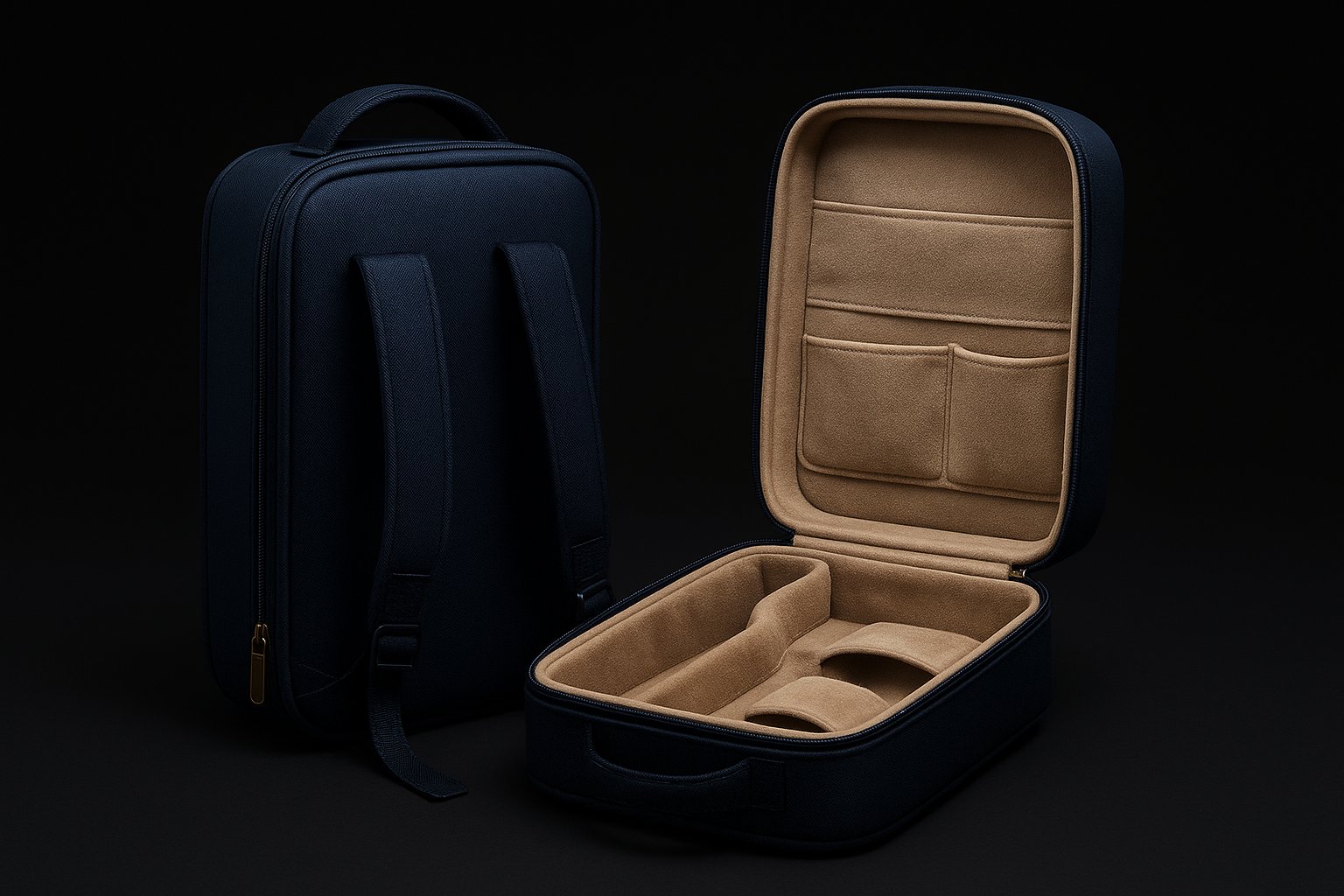
A backpack-format B-flat clarinet case with a fitted instrument area and organised spaces for everyday carrying items.
£69.00
View productBasket
0 items in cart
Your cart is saved in this browser until you clear it. Need help now? Contact us on +447803 725291.